
Here are the next two blog posts, continuing the series.
Subsurface Geophysical Logging — Seeing Inside the Earth Without Digging
Meta description: Electro, gamma, density, sonic, and acoustic logging give engineers a precise picture of what lies beneath a borehole. Learn how Earth Care Products & Service uses subsurface logging to inform smarter groundwater and infrastructure decisions.
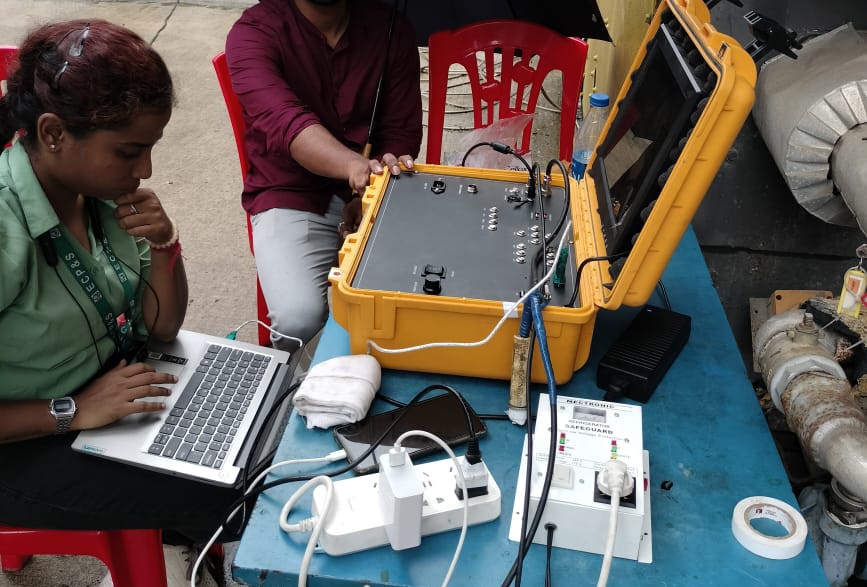
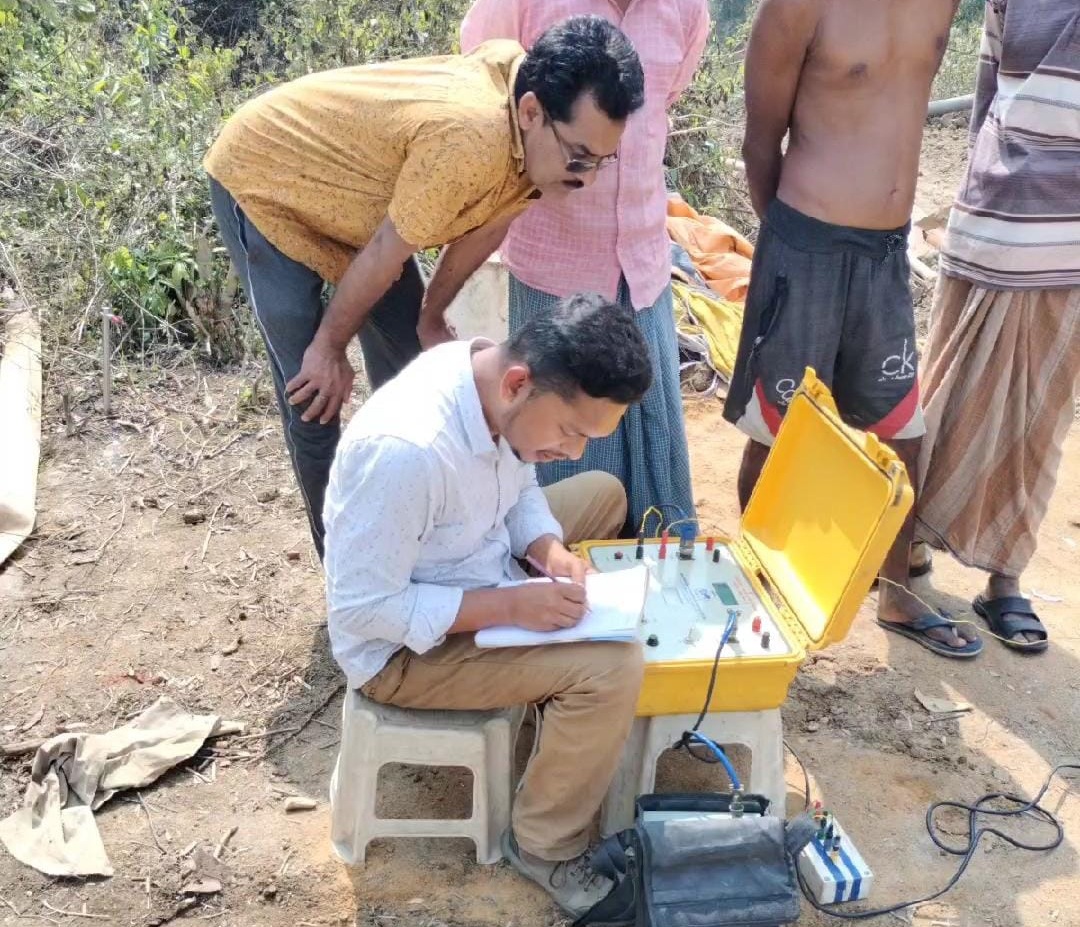
When you drill a borehole, you create an opportunity most people overlook — the chance to actually see, layer by layer, what the earth beneath a site is made of. This is the purpose of subsurface geophysical logging, a set of techniques that turn a simple borehole into a detailed data source about the ground around it.
At Earth Care Products & Service, subsurface logging is one of the most technical — and most valuable — services we offer for groundwater, geotechnical, and infrastructure projects.
What Subsurface Logging Involves
Rather than a single test, subsurface logging is a suite of complementary techniques, each measuring a different property of the surrounding formation:
Electro Logging — Measures the electrical resistivity and conductivity of subsurface layers, helping identify aquifers, clay layers, and formation boundaries.
Caliper Logging — Records the diameter of the borehole at different depths, revealing washouts, cave-ins, or constrictions that affect well design and casing decisions.
Gamma Logging — Detects natural radioactivity in rock and soil layers, useful for distinguishing between shale, sand, and other formation types even through casing.
Density Logging — Measures the bulk density of formation materials, helping identify porosity and lithology changes with depth.
Sonic Logging — Uses acoustic wave travel time to assess rock porosity and mechanical properties of subsurface formations.
Neutron Logging — Measures hydrogen content in the formation, primarily used to estimate porosity and detect fluid-bearing zones.
Optical Imaging — Provides a direct visual record of the borehole wall, useful for identifying fractures, bedding planes, and structural features.
Acoustic Imaging — Uses sound waves to generate a detailed image of the borehole wall, effective even in turbid water where optical imaging fails.
Why It Matters
Each of these logs on its own tells part of the story. Together, they build a complete, depth-by-depth profile of the subsurface — critical for:
- Accurate well design — placing screens and casing exactly where the productive aquifer zones are, not by guesswork
- Structural safety — identifying weak zones, fractures, or unstable formations before they become a problem
- Resource assessment — quantifying aquifer thickness and quality for sustainable extraction planning
- Geotechnical input — supporting foundation design for major infrastructure by revealing subsurface conditions with precision
Who This Serves
Subsurface logging is essential wherever a borehole is drilled for groundwater extraction, geotechnical investigation, or infrastructure development — from industrial tubewells to large-scale foundation studies for buildings, bridges, and townships.
Earth Care Products & Service brings decades of combined field experience and modern logging instrumentation to deliver reliable, engineering-grade subsurface data — helping our clients make informed decisions before committing to costly construction or extraction work.
Contact us: ecpskol@gmail.com | 033 2576 8701 | 6290023645 / 9339638868


Leave a Reply